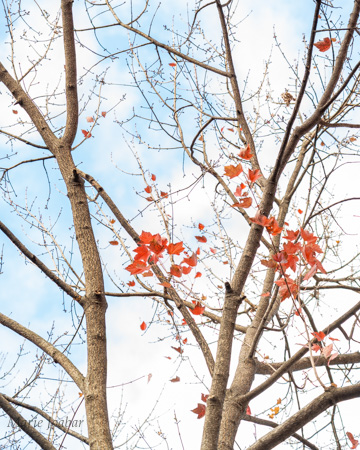
Fall Photography Beyond Peak Color
November 12, 2026 by Marie Joabar
Peak fall color in the Washington, DC area typically occurs in early November, and by now, those brilliant reds, oranges, and yellows may be starting to fade. But that doesn't mean the photography season is over. In fact, some of autumn's most interesting photographic opportunities appear after the leaves begin to fall.
As trees become bare and the landscape changes, new photographic possibilities emerge. Details that might have gone unnoticed just a few weeks earlier become interesting subjects in their own right.
So don't put your camera away just yet! Here are some ways to find inspiration and make compelling photographs during the final weeks of fall.
Look Beyond the Trees
During peak foliage season, it's natural to point your camera toward trees filled with vibrant color. But once the leaves begin falling, try shifting your attention to what's happening closer to the ground.
Look for colorful leaves:
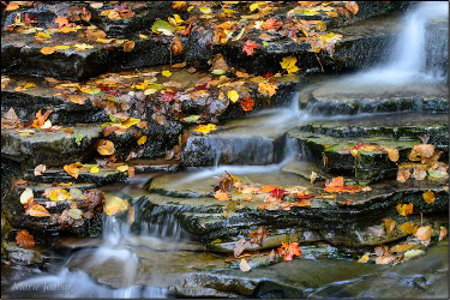
- Scattered along a walkway
- Collected against a stone wall
- Floating in a puddle
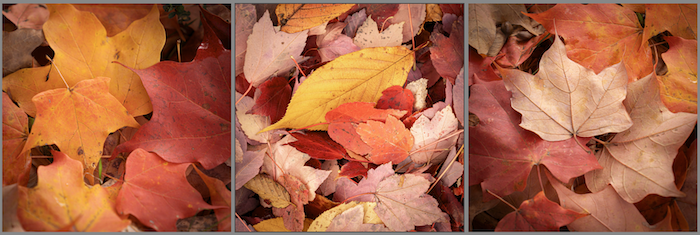
- Resting on weathered wood or surrounded by brown leaves
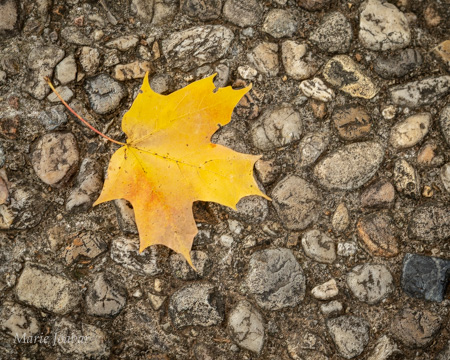
Even a single bright leaf can make a wonderful subject.
Photography Tip: Before taking the shot, ask yourself what caught your attention. Is it the color, shape, texture, or contrast? Once you've identified your subject, look for a composition that emphasizes it. Move closer, change your shooting angle, or simplify the background to eliminate distractions.
Discover Patterns, Textures, and Details
Late fall is an excellent time to explore the smaller elements of a scene.
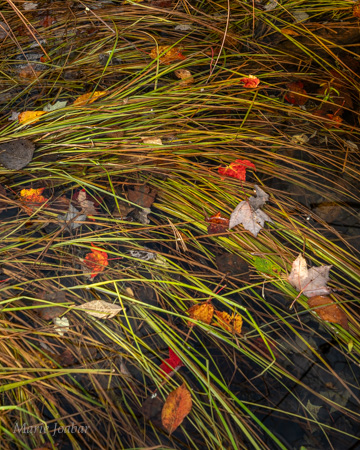
Look for:
- The intricate veins of a fallen leaf
- Peeling bark or dried seed pods
- The interesting shapes and repeating patterns of bare branches, now visible without the leaves that once concealed them.
Even a collection of fallen leaves can become an interesting abstract photograph when you concentrate on their shapes, colors, and textures.
Try photographing the same subject from several perspectives. Shoot straight down to emphasize patterns, get low to reveal texture, or move in close to isolate a small detail.
Photography Tip: Use a wider aperture, such as f/4 or f/5.6, to soften a distracting background and draw attention to your subject. For patterns or textures that you want sharp throughout, try a smaller aperture such as f/8 or f/11. Your ideal setting will depend on the subject, lens, and distance.
Make the Most of Late-Autumn Light
One of the best things about photographing in November is the changing quality of light.
With the sun lower in the sky, shadows grow longer and sunlight strikes subjects from a more dramatic angle. This directional light can bring out textures, highlight the edges of leaves, and add depth to an otherwise ordinary scene.
- Don't overlook overcast days, either. Soft, diffused light can be ideal for photographing leaves, textures, and subtle colors without the distraction of harsh shadows.
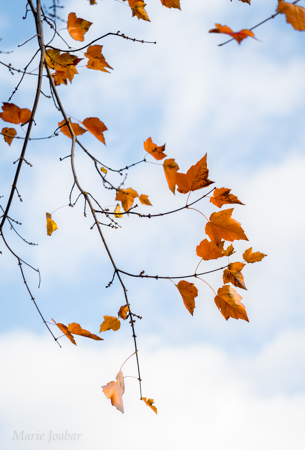
- Try photographing leaves illuminated from behind, where the light reveals their delicate veins and translucent colors.
- Look for shadows from bare branches stretching across sidewalks, walls, and buildings.
Photography Tip: Pay attention to the direction of light before composing your photograph. Side lighting often emphasizes texture, while backlighting can make remaining foliage glow. When photographing a backlit subject, check your exposure to make sure the important details aren't too dark or the highlights too bright.
Use Simplicity to Strengthen Your Compositions
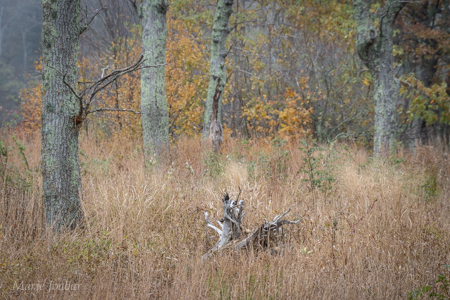
As leaves disappear from trees, the landscape becomes less crowded. This creates opportunities for photographs with cleaner lines, stronger shapes, and simpler compositions.Look for subjects such as:
- A lone leaf on a sidewalk
- A bare tree silhouetted against the sky
- A winding path bordered by fallen foliage
Instead of trying to include everything in the scene, think about what you can leave out.
Photography Tip: Experiment with negative space—the open or relatively empty area surrounding your subject. Giving a subject room to breathe can make it more prominent and create a sense of calm or simplicity.
Tell a Story About the Changing Season
Photographs don't always have to stand alone. Consider creating a small collection of images that tells the story of autumn's transition into winter.
- Start with a wider photograph showing the overall scene, perhaps a park pathway covered in leaves or a neighborhood street with a few colorful trees remaining.
- Then look for closer views: leaves caught along a fence, an empty park bench, dried flowers in a garden, or sunlight illuminating the last leaves on a branch.
- Finish with a detail that captures the feeling of the season.
Together, these photographs can tell a richer story than a single image.
Challenge Yourself to See Something Different
The next time you head outside with your camera, give yourself a simple assignment: find five interesting photographs without relying on a tree full of colorful leaves.
Look for:
- An interesting pattern or texture
- A subject illuminated by beautiful light
- A simple composition with a clear focal point
- An unexpected combination of colors or shapes
- A scene or series of images that tells a story
You don't need to travel far. Your neighborhood, a local park, or even your backyard can offer plenty of possibilities.
Keep Looking, Keep Shooting
One of the most valuable skills a photographer can develop is learning to recognize interesting subjects in everyday surroundings.
Peak fall color may provide spectacular scenery, but sometimes it's the quiet details, changing light, or an unexpected perspective that make an image special.
So grab your camera, take a walk, and see what catches your eye. Fall still has plenty of photographic inspiration to offer—you just have to know where to look.