
Street Photography-Learning to See the Moment
September 29, 2026 by Marie Joabar
Street photography is all about noticing the moments, details and interactions that unfold around us every day. A shaft of light falling across a sidewalk. A reflection in a storefront window. An interesting combination of colors. A person passing through just the right spot in a scene.
And while people are often associated with street photography, they don't always have to be the main subject, or even be included at all.
At its heart, street photography is about observation. It's learning to slow down, pay attention and recognize photographic possibilities in places and moments that might otherwise go unnoticed.
Here are some things to look for the next time you head out with your camera.

(Image by Michael Koren)
Look for Interesting Light and Shadows
Light can transform an ordinary street scene into something much more interesting.
Pay attention to the way sunlight falls between buildings, creates patterns on sidewalks or illuminates one part of a scene while leaving another in shadow. Strong light and shadows can create dramatic shapes, silhouettes and graphic compositions.
Early morning and late afternoon can provide beautiful directional light, but don't overlook the middle of the day. Harsh sunlight can produce strong contrast and deep shadows that work particularly well for street photography.
Sometimes the light itself becomes the subject.
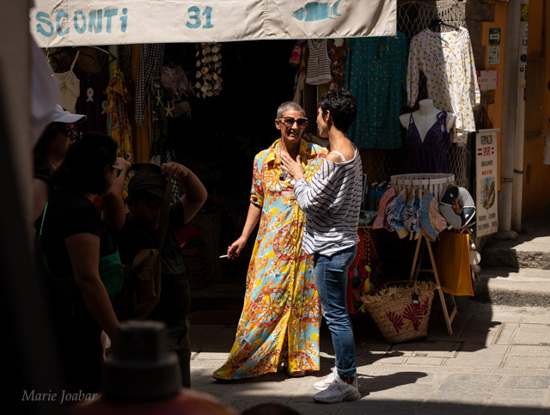
(Image by Marie Joabar)
Notice Gestures and Expressions
When people are part of your photograph, small gestures can make a big difference.
A glance between two people, someone reaching for another person's hand, a child looking into a shop window or even the way someone carries an umbrella can add personality and meaning to an image.
Rather than simply photographing a person walking down the street, watch for those brief moments when an expression, movement or interaction adds something more to the story.
These moments often happen quickly, so anticipation is an important part of street photography. Watch what's developing and be ready.
Show People Within Their Environment
Street photography involving people doesn't always need to be a close-up—or even show someone's face.
Try stepping back and showing people as part of the larger environment. A lone person walking past a colorful mural, someone standing beneath an interesting sign or a small figure surrounded by large buildings can tell us as much about a place as it does about the person.
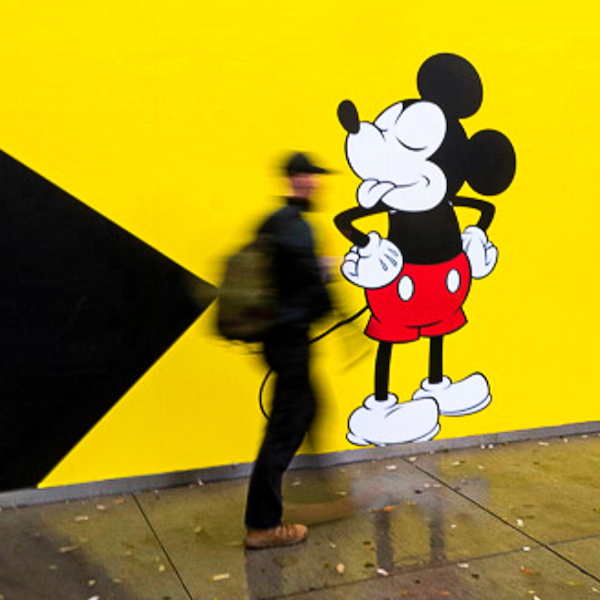
(Image by Michael Koren)
Look for Layers
Some of the most interesting street photographs have more than one thing happening within the frame.
Look for opportunities to create a foreground, middle ground and background. You might photograph through an interesting object in the foreground, have a person or activity in the middle of the scene and use buildings, signs or other elements in the background.
Layers can add depth and give the viewer more to discover.
Just be careful that the frame doesn't become too cluttered. Street photography often happens quickly, so it's easy to concentrate on the main subject and overlook everything else. Before pressing the shutter, take a quick look around the edges of your frame and at the background. Decide whether everything you've included contributes to the photograph or whether changing your position could simplify the composition.
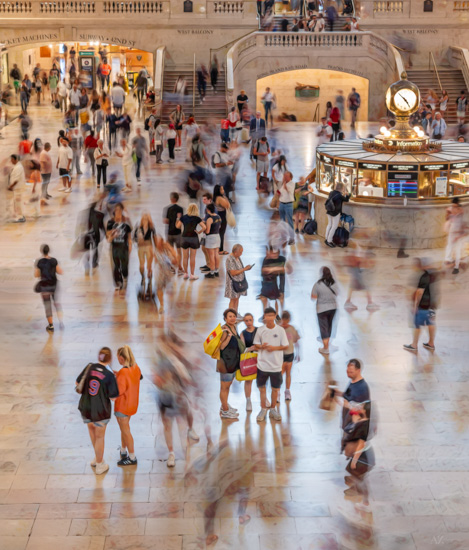
(Image by Beth Haubach)
Use Reflections and Natural Frames
Street scenes are filled with opportunities to photograph reflections.
Storefront windows, mirrors, shiny buildings, cars and puddles can all create unexpected compositions. A reflection can show two parts of a scene at once, distort reality or turn an everyday location into something much more abstract.
Also look for natural frames. Doorways, windows, arches, fences and even spaces between people can be used to frame your subject and direct attention to an important part of the photograph.
These techniques encourage you to look beyond the obvious scene in front of you.
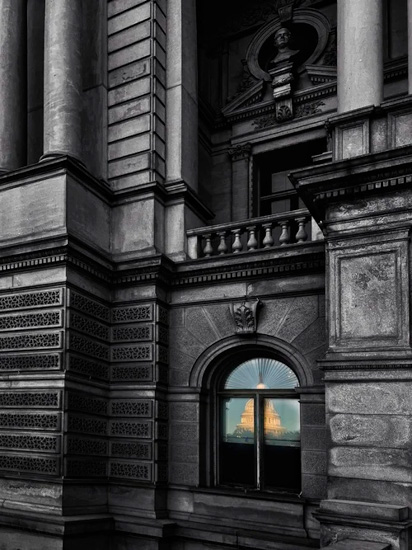
(Image by Michael Koren)
Watch for Color, Patterns and Repetition
Sometimes a photograph begins with nothing more than a color.
You might notice someone's bright red coat against a neutral building, several umbrellas in similar colors or a person whose clothing unexpectedly matches a sign behind them.
Patterns and repetition can be equally effective. Windows, columns, stairs, bicycles, shadows and architectural details can all create rhythm within a photograph.
Once you've noticed an interesting background, you don't necessarily have to move on. That brings us to one of the most useful street photography techniques.
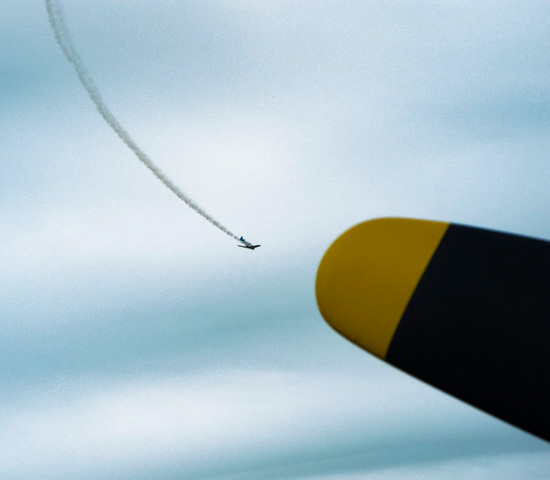
Find the Composition—and Wait
Street photography doesn't always mean constantly walking around looking for something to happen.
Sometimes it's better to find an interesting composition first.
Maybe you've discovered beautiful light falling across a staircase. Perhaps there's a colorful wall, an interesting reflection or a strong geometric composition—but something is missing.
Compose your photograph and wait.
Eventually someone may walk into the light, pass in front of the wall or appear in exactly the right place within your frame.
Instead of chasing the photograph, you're allowing the photograph to come to you.
It may take patience, but that one human element can turn an interesting scene into a much stronger image.
(Image by Michael Koren)
Slow Down and Observe
One of the best things about street photography is that it encourages us to pay closer attention to the world around us.
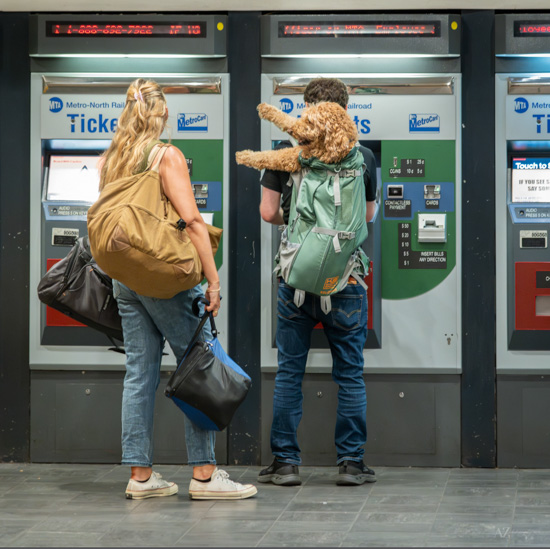
You don't need an exotic destination or spectacular landscape. A familiar neighborhood, a busy downtown street, a Metro station, a farmers market or an everyday walk can offer countless photographic possibilities.
The challenge is learning to see them.
The next time you're out with your camera, slow down. Notice the light. Look at the backgrounds. Watch how people move through a scene. Look for reflections, patterns, colors and unexpected combinations.
You may be surprised by how many photographs have been there all along, you just needed to notice them. And, like so many aspects of photography, the more you practice seeing these moments, the easier they become to recognize.
(Image by Beth Haubach)
Put These Ideas Into Practice
Ready to try street photography for yourself?
Join instructor Michael Koren on October 4 for our hands-on Street Photography class around the back side of White House and Lafayette Park area. You’ll practice anticipating moments, creating stronger compositions and developing your own vision while learning techniques and camera settings for street photography.
Michael will also discuss privacy and ethics when photographing in public, and the class will include image review and feedback.

(Image by Michael Koren)