
Where Does Patience Fit in Modern Photography?
July 22, 2026 by Marie Joabar
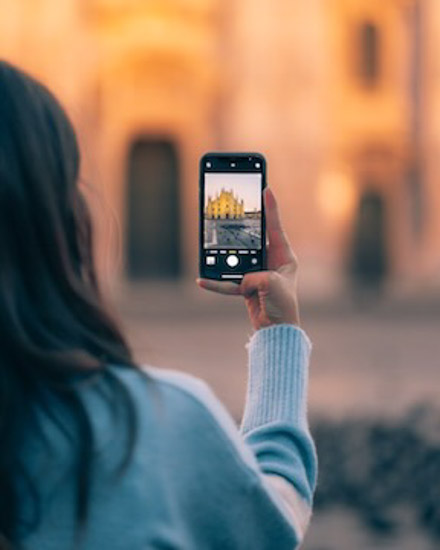 Cameras have gotten so good that "getting a good photo" no longer feels like an achievement, it feels like the default. Sharp focus, balanced exposure, decent composition: your phone camera gives you all of it in a fraction of a second. Once a good result feels guaranteed, we stop expecting to have to wait for it.
That expectation doesn't come from cameras alone. People have grown so used to instant results everywhere; same-day delivery, streaming on demand, replies within minutes, that waiting for anything, even a good photograph, can seem trying.
Photography isn't becoming impatient in isolation; it's absorbing the impatience that we've already learned everywhere else.
Better cameras raise the bar for what counts as "good enough."
A decade ago, a sharp, well-exposed photo required real skill. Now it's the baseline a phone, or a current mirrorless camera produces automatically. So "good photo" has quietly come to mean something more than a genuinely strong moment, or a deliberate creative choice. The camera solved the easy problem leaving patience more exposed than before.
Spontaneous capture is a genuine gain, with a real trade-off.
Better mobile cameras mean almost everyone carries one at all times, ready for the half-second moment fiddling with a camera might miss. But it trades away the slower skill of learning your camera and using its tools to craft the photo you envisioned, rather than the one it happened to catch.
Instant feedback changes how we judge our own work.
Seeing the result immediately teaches us faster in some ways. But it also tempts us to call a photo finished the moment we see it on the screen, instead of editing it toward the vision we originally had.
Sharing immediately removes reflection time.
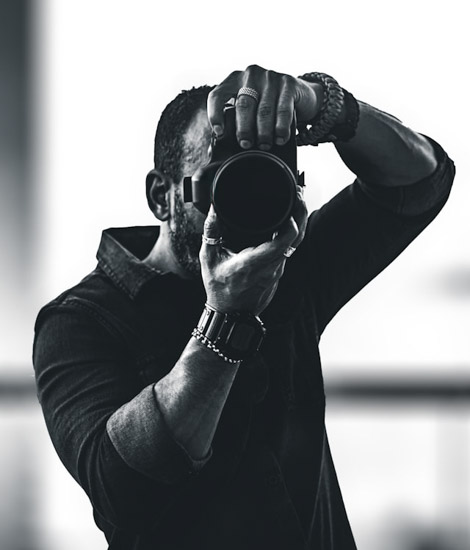 Photos move from camera to phone to the world in seconds now, this is where patience has eroded most. A photo used to live with its creator a while before being judged the "keeper." Now the impulse is to share the first decent frame while the moment still feels exciting.
Automation deserves more credit than blame.
Autofocus outperforms manual focus in most situations, and modern metering is a real engineering achievement, not a shortcut. It removes the need for some kinds of patience without removing the value of others, you still benefit from waiting for the right moment, even when the camera nails the settings instantly.
"Fix it in post" vs. getting it right in the field.
Fixing later is efficient, but getting it right in the field; waiting for a cloud to pass, nudging a subject two feet left, produces images that were intentional from the first click, not assembled afterward.
Auto-editing vs. learning to edit.
One-tap filters give casual shooters a quick, polished result. But photographers who edit deliberately gain real control over what "good" means for their own image. It’s a slower path that rewards patience with a more personal result.
The satisfaction that patience buys.
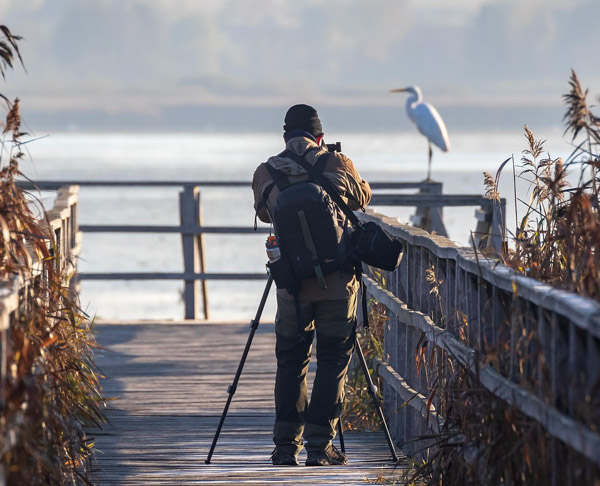 Patience pays off in a satisfaction automation can't shortcut. There's a particular kind of reward in seeing the image you imagined at the scene actually come alive, not the version the camera defaulted to, but the one you waited for and worked toward. Watching that vision take shape, first in the field and then again at the editing desk, is a different kind of pleasure than simply liking what a phone handed you instantly. It's the difference between receiving a good photo and making one.
Where patience actually fits.
So where does patience fit? It hasn't disappeared just because cameras and habits have gotten faster, it's relocated to the choices photographers still make on purpose: waiting for the right light, adjusting the camera settings, composing carefully instead of fixing it later, editing with intention instead of reaching for a filter, and holding a photo back to reflect before sharing.
That willingness to wait is often exactly what separates a forgettable snapshot from a photograph worth remembering.