Where Smart Editing Ends and Artificial Creation Begins
August 12, 2026 by Joe Bucherer
In camera club competitions, few topics trigger as much debate as artificial intelligence (AI). One photographer praises a tool that saved three hours of masking; another expresses frustration over synthetic images winning traditional photography awards. Both perspectives are valid, but they concern two very different AI technologies.
Let’s demystify what AI does. The key lies in understanding the line between Assistive AI (tools that help process real light) and Generative AI (tools that manufacture brand-new reality).
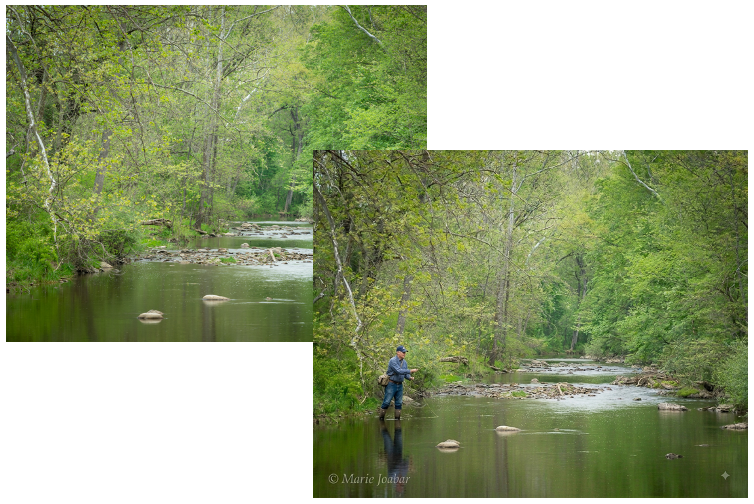
In the image below, a fisherman was added using Gemini Ai.
The Canvas vs. The Lens
Unlike traditional artists who start with a blank canvas and build an image brushstroke by brushstroke, photographers start with a complete, captured scene. Historically, in terms of modifying subject matter, all a photographer could realistically do was subtract.
Consider a real-world scenario: you take a great family photo in front of a landmark, but an unsightly trash bin sits right behind them. Removing that distraction to highlight your family is a natural extension of traditional darkroom work. You aren't inventing a fake family or vacation; you are simply cleaning up the frame. This is where AI first proved its worth.
Assistive AI: Your Darkroom Assistant
Machine learning has been part of editing suites for over a decade. If you use Adobe Lightroom, Photoshop, Luminar Neo, Topaz Labs, Snapseed, or native Apple and Android photo apps, you already use AI.
In these applications, machine learning operates like an efficient darkroom assistant. The software analyzes millions of images to learn patterns—identifying human faces, skies, tree branches, or digital noise. This translates into real-world workflows:
- Smart Removal: Spot removal tools analyze surrounding pixels, textures, and lighting to erase distracting objects, power lines, or sensor dust.
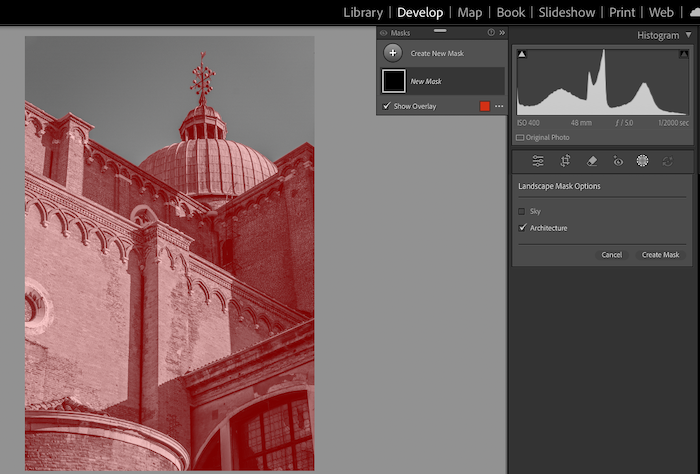
- Complex Masking: Selecting complex elements like hair or mountain ranges once required precise pen-tool work; today, a single click isolates subjects instantly.
- Noise Reduction & Detail Recovery: Denoise tools use trained algorithms to predict missing details rather than simply blurring grainy patches, salvaging low-light, high-ISO shots.
- Mobile Enhancements: Smartphones rely on "computational photography," stacking exposures, simulating depth-of-field, and optimizing white balance automatically. Each of the lenses on the back of your phone is taking an image and the software in your phone blends them together for the final product.
None of these assistive tools change the truth of the scene. The camera captured the real moment, and Assistive AI cleans, selects, and sharpens that raw data so creators, like you, spend less time in menus and more time refining their vision.
Generative AI: Bypassing the Lens
The shift from workflow helper to industry disruption happened when machine learning evolved from subtracting pixels to painting them.
Generative AI tools, such as Photoshop’s Generative Fill, do not rely on a camera sensor capturing a physical scene. Instead, they act like digital painters, translating text prompts or structural guides into new images built from massive training datasets.
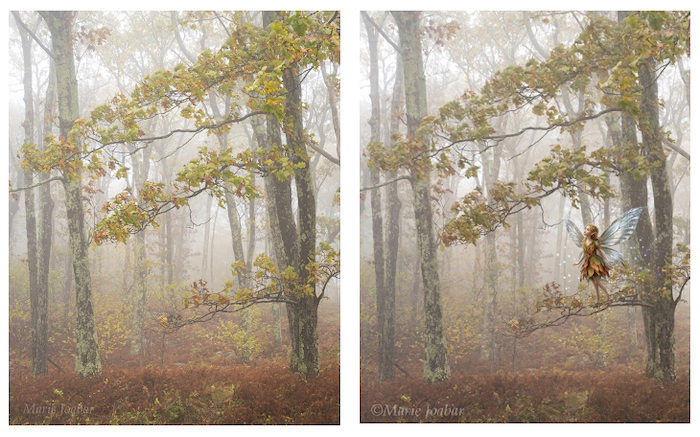
There is a vast ethical and practical difference between using an algorithm to remove a trash bin versus using a generative tool to insert a deer into a forest scene where none existed or adding a dramatic thunderstorm to a calm sky. When software fabricates elements out of thin air, it crosses the line from photography (drawing with light) into digital illustration.
Fairy added to image using Gemini Ai
The Competition Crisis and Industry Boundaries
As generative tools became more convincing, the line between photograph and digital render blurred, leading to friction in competitions and the media.
When synthetic, prompt-generated images accidentally won major photography awards, contest organizers took a firm stand. Today, strict rules govern almost every major contest, press agency, wildlife organization, and others. There is zero tolerance for generative fills. Files submitted for competitions must be verified with available metadata or original RAW files. Camera manufacturers are even building digital paper trails (such as C2PA standards) directly into camera hardware.
A Simple Rule of Thumb
Establishing creative ethics does not have to be complicated:
- It is Photography if a tool helps correct lens distortion, reduce noise, isolate a subject, or remove a distracting object from an authentic moment. You are polishing the window through which the viewer sees your authentic capture.
- It is Digital Art if a tool invents elements that were not present, alters the fundamental story of the location, or replaces real-world patience and fieldcraft with a text prompt.
There is nothing inherently wrong with digital art but keeping that distinction clear honors both mediums.
Photography Done Correctly Is a Craft
Artificial intelligence is simply a tool. When used thoughtfully, assistive features eliminate technical barriers, giving creators more time to focus on composition, lighting, and storytelling.
The camera remains a tool for observing the real world. The core of the craft is valuing the effort, patience, and happy accidents, no matter how smart the software gets.